
Patented by the Artificial Nature s.l
PLH is a patented bio-based polymer platform replacing conventional fossil-based plastics and enabling advanced bio-based resin systems.
Its properties make it unique as an alternative to plastics or resins
Zero Microplastics
75% CO2 Reduction

Cell regeneration
Validated on industrial machines
Images: 60 micron thick PLH film
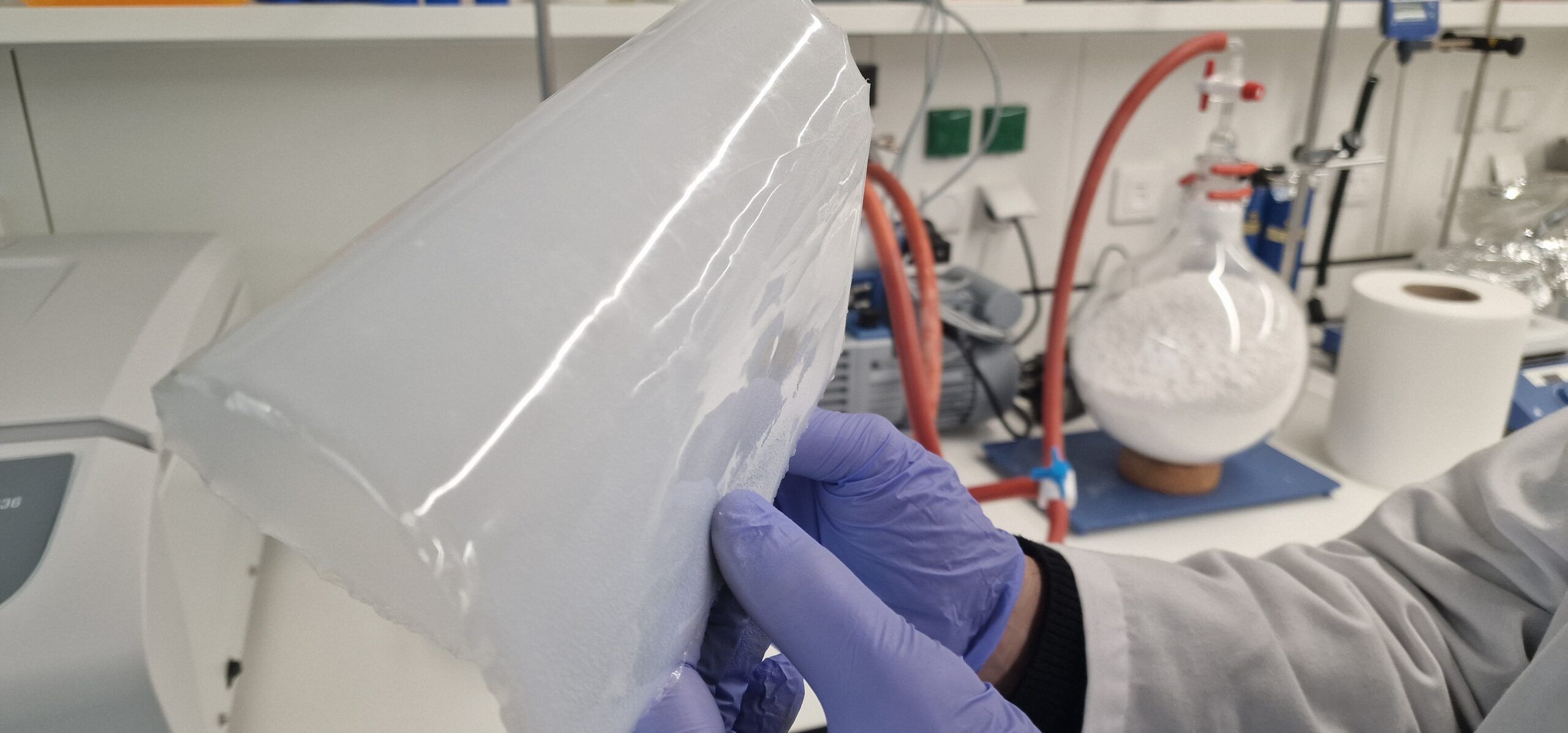
Functional Bioplastic
Its molecular structure has been designed and created to be functionalized according to the need for its use, thanks to a free double chemical bond, which allows it to incorporate different functional groups.
Compatibilizer
Improves PP, PE, PLA mixtures…
with plant residues

The evolution of plastic is already here
Unique in…
Biodegradable in controlled time
PLH can biodegrade in soil or water from 2 to 48 months or longer depending on your use case. Thanks to its molecular structure, it can be synthesized in such a way that its biodegradation is programmed in the short or long term, or its biodegradation can be cancelled.
better mechanical properties
Its excellent mechanical properties superior to any bioplastic on the market, with a flexibility of 300% above PLA, make it a direct alternative to polypropylene (PP) and polyethylene (PE).
biocompatible with humans
It has satisfactorily passed toxicity, proliferation and cell adhesion tests to be used as an implant for bone and cartilage regeneration. It is currently being validated pre-clinically at the Vall d’Hebron Hospital and the Bellvitge Hospital. Its health properties also make it suitable for other sectors such as agriculture or cosmetics.
Release of bioactives
PLH has been designed as a cutting-edge bioplastic, including a double chemical bond in its molecular structure to give the possibility of being functionalized or adding bioactive loads for its controlled release during biodegradation. Special use in biomedicine, cosmetics or agriculture (release of phytosanitary products).
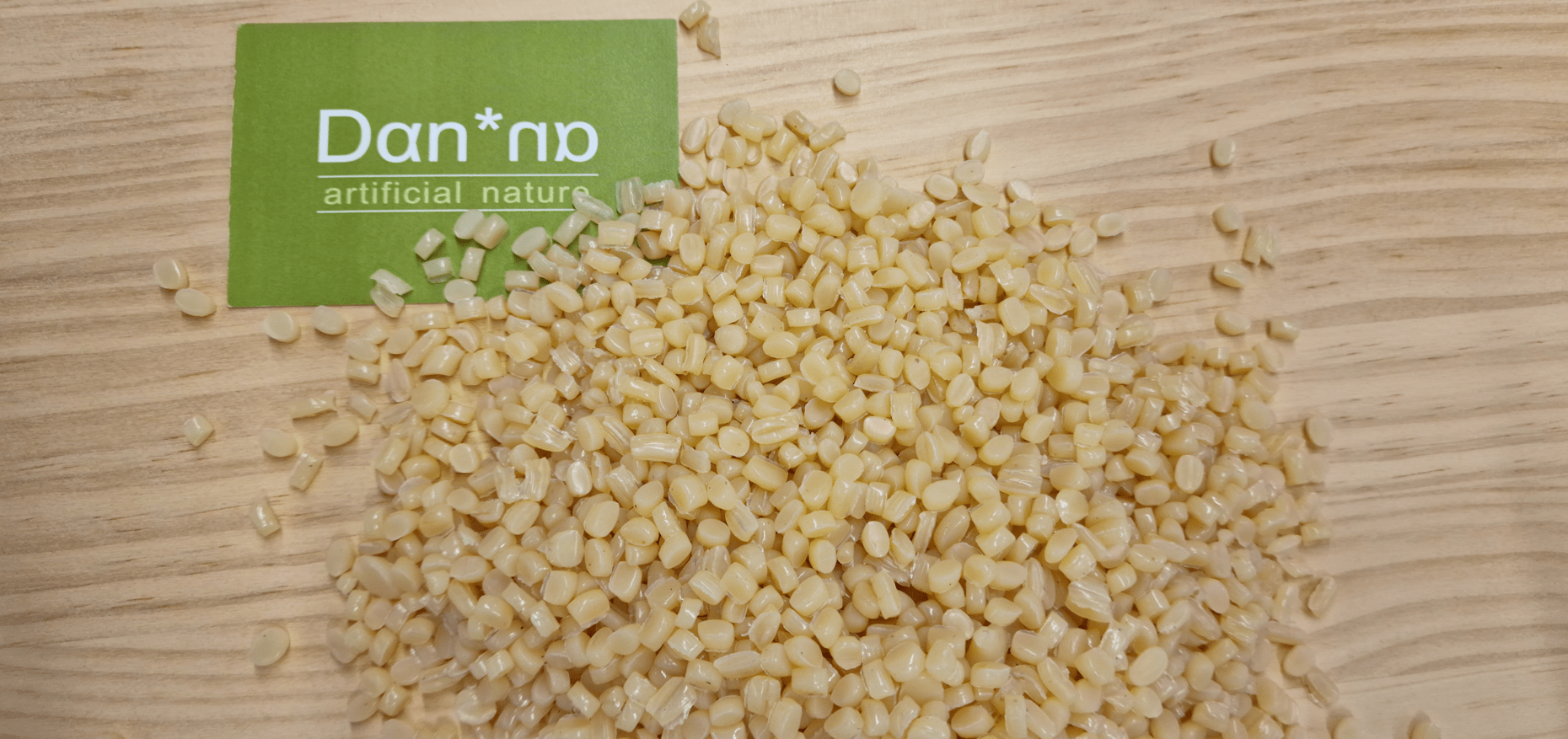
Granular format
Used in industrial plastic processes such as extrusion, injection or 3D-printing.

Powder format
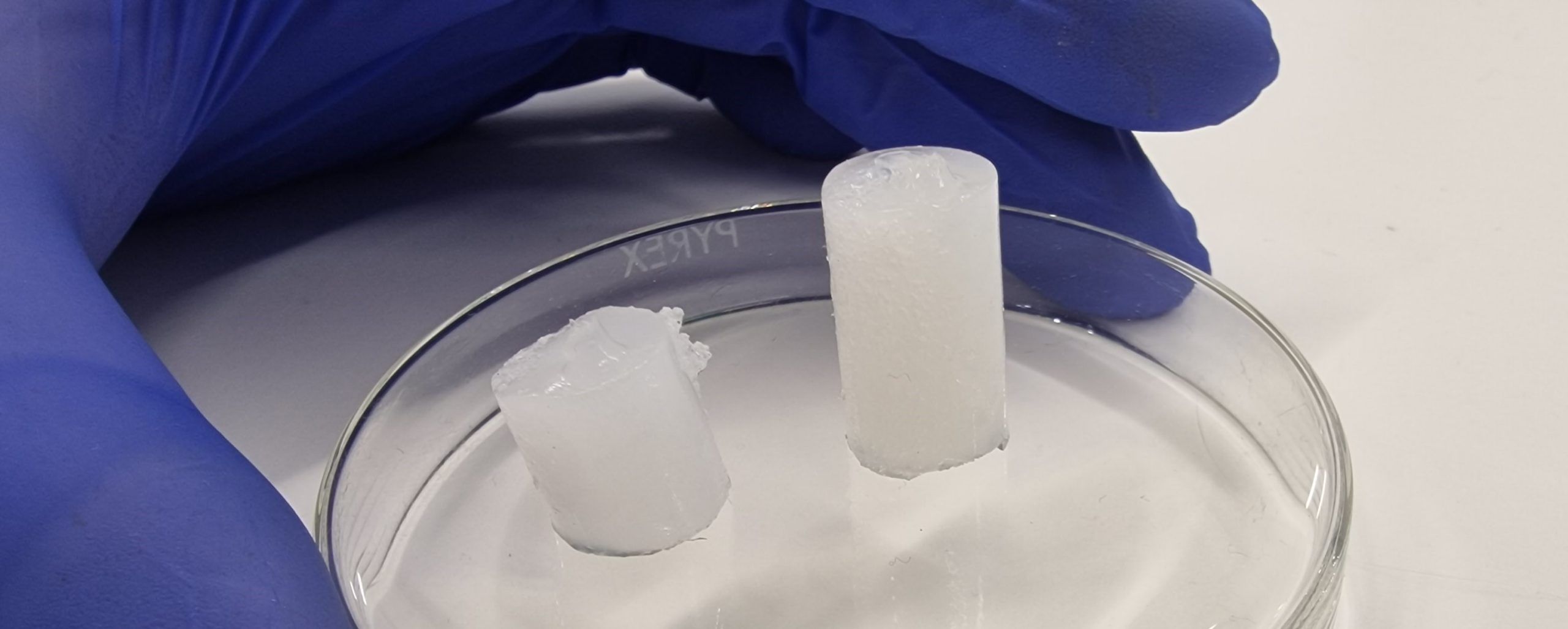
Hydrogel format
Alternative to polypropylene (PP) and polyethylene (PE)
Main sectors of use
Due to its excellent mechanical properties, biocompatibility and biodegradation, the use of PLH is very transversal.
- Seed Coating: To protect seeds during storage and sowing, and to facilitate controlled nutrient release.
- Controlled Release Systems for Fertilizers and Pesticides: To enhance the efficiency of delivering these products, reducing waste and environmental impact.
- Biodegradable Mulching Films: As an alternative to conventional plastic films, aiding in soil erosion control and moisture retention.
- Biodegradable Packaging for Agricultural Products: For packaging fruits and vegetables, reducing the use of conventional plastics.
- Agricultural Nets and Ropes: Used in greenhouses and open-air cultivation, biodegrading after their useful life.
- Biodegradable Plant Labels: For identifying crops and plants, replacing plastic labels that can be harmful to the environment.
- Composting Bags: That disintegrate along with the compost, facilitating the composting process.
- Greenhouse Coatings: Offering a biodegradable alternative to traditional plastics used in greenhouse structures.
- Cosmetics: As a biodegradable and biocompatible additive in skincare and makeup products, enhancing texture and longevity. For creating sustainable, eco-friendly packaging for cosmetic products.
- Regenerative Biomedicine: In tissue engineering, especially for bone and cartilage regeneration, facilitating healing and reducing recovery times.As a component in biocompatible and bioabsorbable implants and prostheses.
- Pharmaceutical Applications: In drug delivery systems, using PLH for controlled release of medications, improving efficacy and reducing side effects. For developing biodegradable and non-toxic pharmaceutical packaging.
- Wound Healing: In advanced wound dressings, aiding in faster and more effective healing of skin and tissue injuries. For sutures and surgical meshes that are biocompatible and dissolve safely in the body.
- Veterinary Medicine: In treatments and surgical applications for animals, providing safer and more natural alternatives to traditional materials. For creating biodegradable pet care products, aligning with environmental sustainability.
- Medical Devices: In the development of disposable medical equipment that is more eco-friendly and reduces hospital waste. For biodegradable containers and wrappings for medical supplies.
Contact Form
Do not hesitate to contact us
Office Hours
